
Storm Babet Brings Huge Waves to the East Coast of Scotland
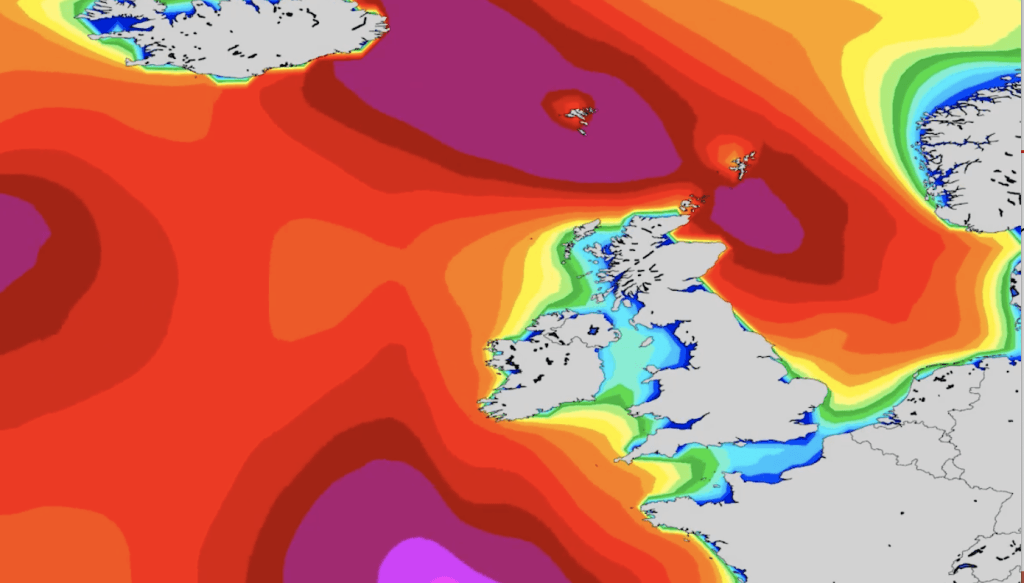
Storm Babet produced one of the biggest swells to hit the east coast of Scotland in the last twenty years. The storm was unusual not only because of the wave size, but also because of how long the swell lasted.
For several days in a row, the east coast saw 4–7 metre surf locally, with peak readings even higher offshore. At the same time, northern Scotland experienced exceptional rainfall, which added to the overall impact of the storm.
What Caused Storm Babet?
“Storm Babet was an extraordinary piece of weather caused by the interaction of a number of linked conditions across the world,” said Dr Hannah Cloke, professor of hydrology at the University of Reading.
“The jet stream, which plays such an important role in the weather in Europe, has been squeezed into a strange position, partly as a result of a powerful typhoon that hit Japan last week.”
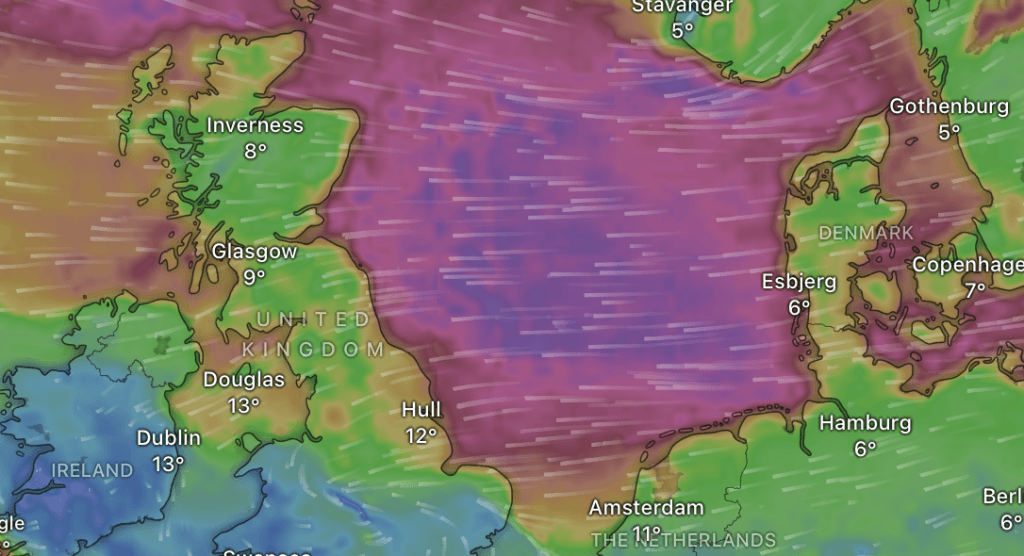
Because of this unusual positioning of the jet stream, a powerful low-pressure system formed and moved lower than usual across the UK.
The storm then stalled just off the south of the country. As a result, huge swell pushed into the entire east coast of the UK. At the same time, massive surf hit parts of France, Spain, and Portugal.
The system remained in place for around four days, which meant the east coast experienced several days of powerful surf. In our area, the swell stayed above six metres for long periods.
At its peak, a buoy in the Firth of Forth recorded a one-hour swell reading close to 10 metres.
Huge Waves in East Lothian
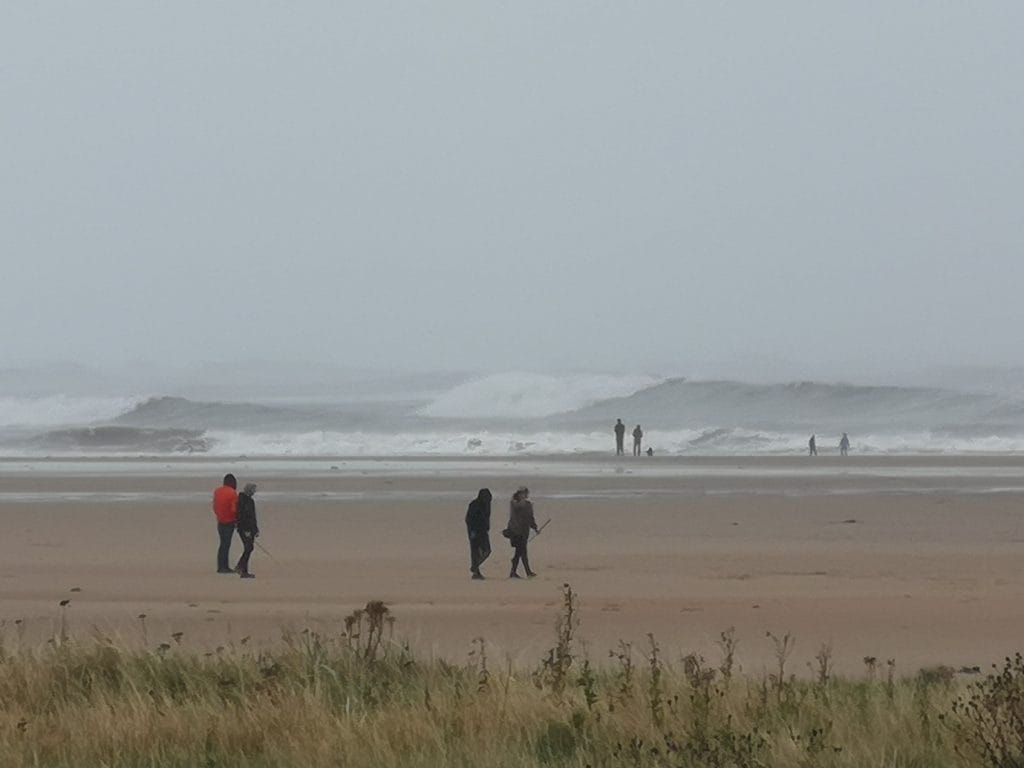
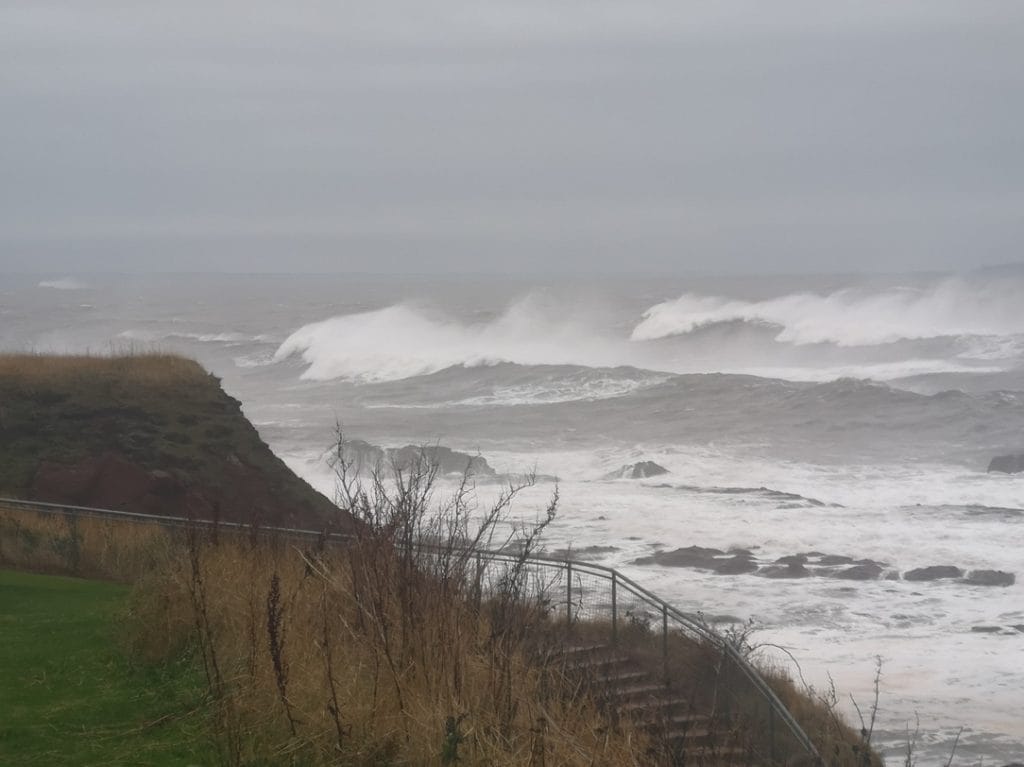
At the height of Storm Babet, huge waves rolled into Dunbar and the surrounding coastline.
Some of the waves were breaking in around 15 metres of water outside Dunbar Harbour, which shows just how powerful the swell was.
Even areas normally used for coasteering were affected. The inside rocks that usually provide around four metre jumps were completely covered by waves during the storm.
In fact, those images were taken on a slightly smaller day — the previous day was even bigger.
Rare Waves Light Up
Despite the power of the storm, there were some positive moments for local surfers.
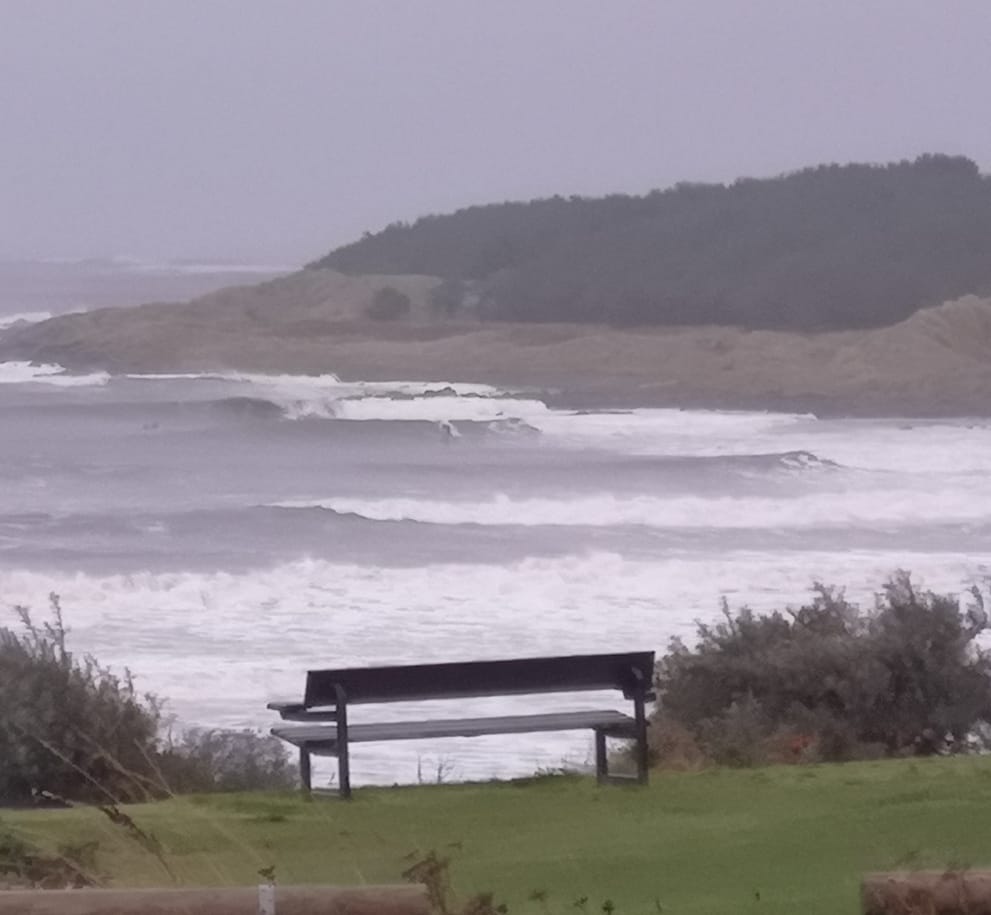
The large swell allowed rare waves to break in sheltered locations along the coast. These spots normally only work during strong mid-winter storms, so it was a unique opportunity for those who were able to get out safely.
Damage Along the Coastline
Unfortunately, the storm also caused significant damage along the East Lothian coastline.
Sections of harbour walls in North Berwick collapsed, while large amounts of sand were pushed up around the Scottish Seabird Centre.
In Dunbar, rock armour systems shifted during the storm, and a local coastal road also collapsed.
Walking along the coastline now shows clear evidence of the storm’s impact. Entire sections of walkways and dunes have disappeared, while sand has been stripped from some beaches and deposited in others. In some places, new rocky reef areas have appeared, while other areas have gained new sandbanks.
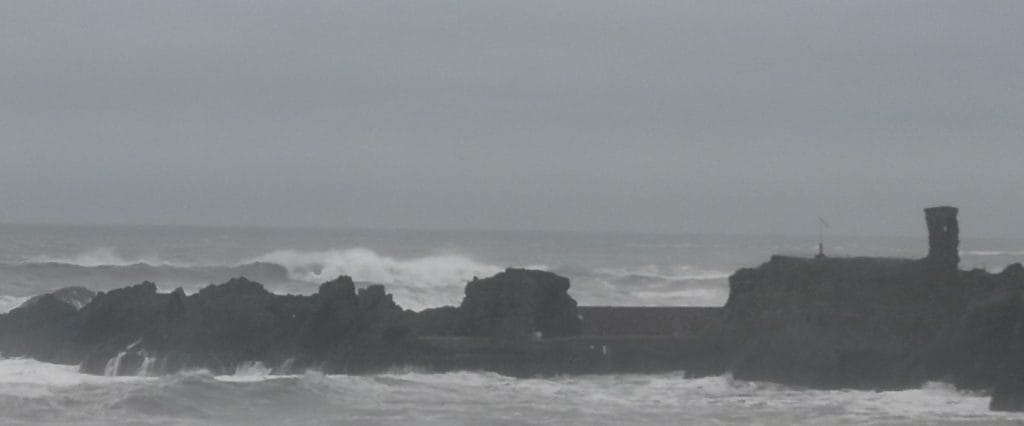
The inside rocks on the second picture give 4m jumps normally on our coasteers and they where being covered every wave on this day and this was significantly smaller than the day before.
Rare Waves Light Up
But the large surf did provide some bonuses for local surfers with very rare waves lighting up in protected locations only normally reserved for mid winter storms
Impact on Wildlife
Wildlife was also heavily affected.
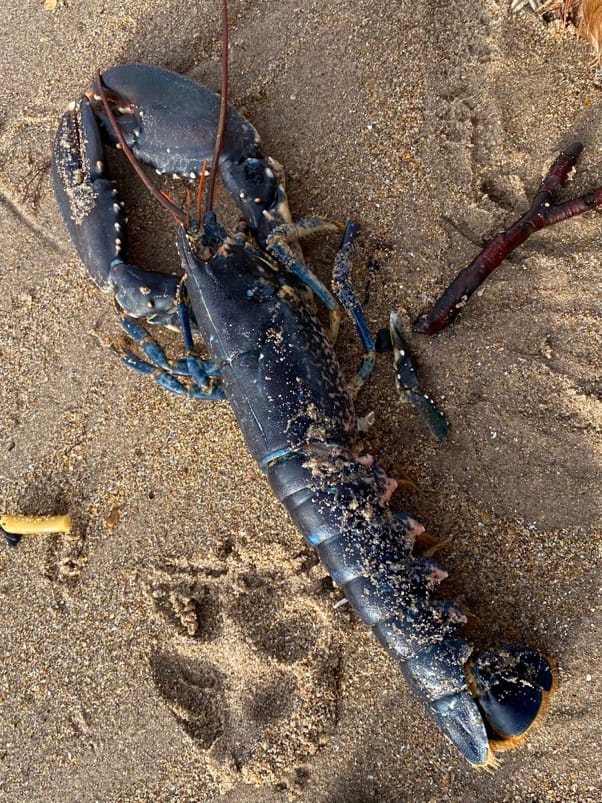
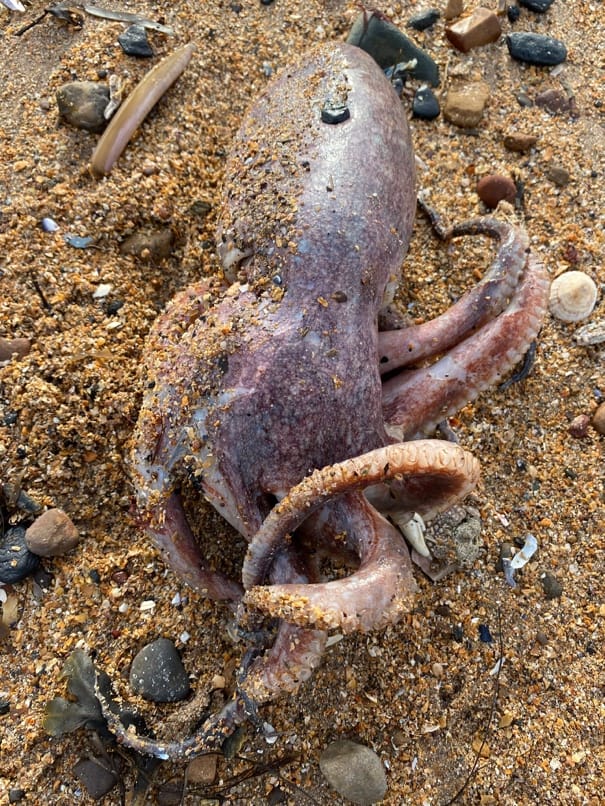
Large numbers of marine animals were washed ashore during the storm. In some places there were carpets of starfish on the beach, particularly around Cramond.
At Belhaven, hundreds of lobsters, fish, and even octopus were washed up by the swell.
Beach Clean-Up
With the combination of heavy rain and powerful surf, a large amount of rubbish and fishing gear has also been pushed onto local beaches.
Because of this, a beach clean has been organised to help restore the coastline.
We will be meeting on Sunday 5th November at 2pm (14:00) at the surf centre. The clean-up is being organised alongside Wilder Outdoor Education and the Belhaven Surf Club.
If you would like to help, please get in touch with Wilder Outdoor Education.
